Half a Heart in a Glass – The Phenomenon of Capturing Emotion on Canvas

Author Gostev Jr. Back


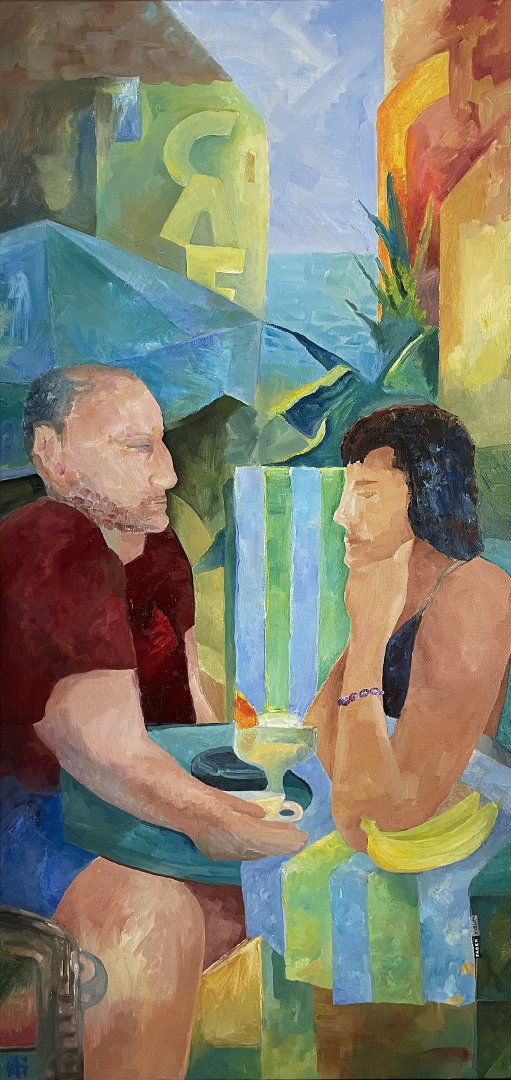
Nenad, as if having already lived ten lives, a true Serb, incomprehensible to ordinary reflections. If you think with your heart, you will see immense power of brotherhood, love, words, and faith. Milena is a part of his heart and lived life. She knows this and sees in him the inevitability of fate that bound them for all times and in all time. She asks herself a rhetorical question "Why?" and will never find an answer. There is only one Serbian word there - zauvek (forever).

- Anatoli Gostev Jr.


Figurative Understanding.

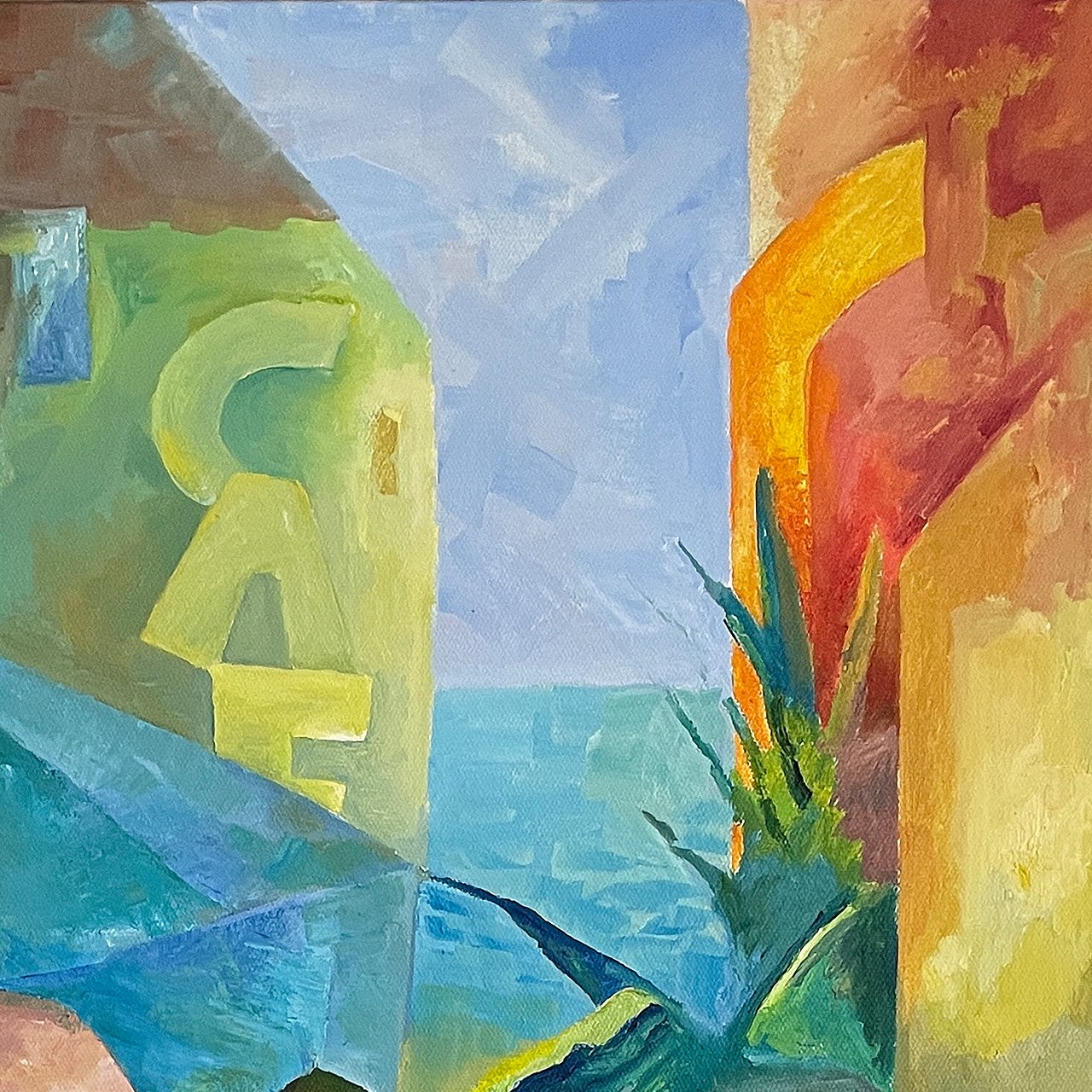
Figurative understanding is when you see the essence itself in a fraction of a second and you don't need to think, reflect linearly. The painting is inspired by the desire to stop a fragment of time in the lives of loved ones and transfer onto canvas the love that a man gives to his woman.
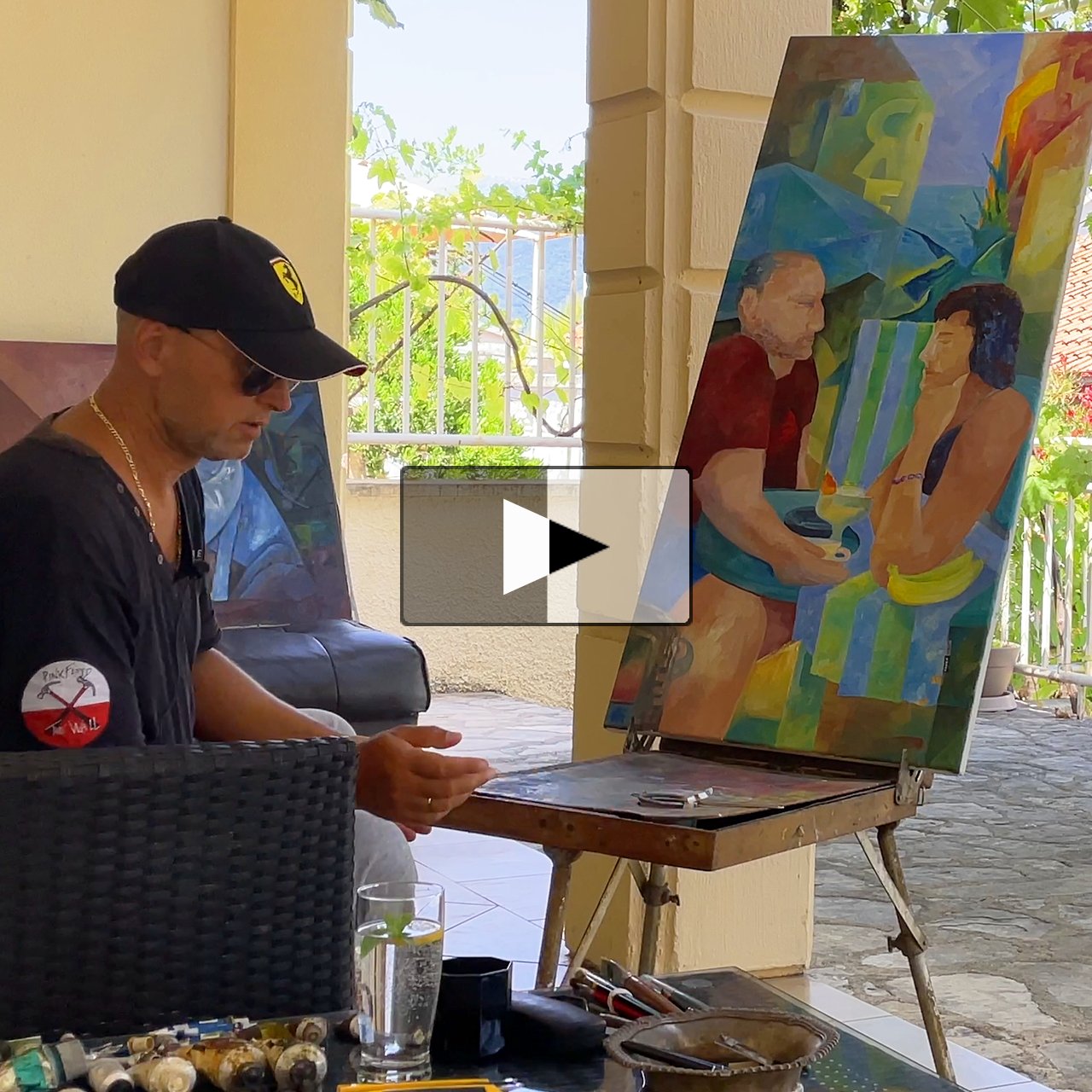

Video

Video

Nenad and Milena

Nenad and Milena

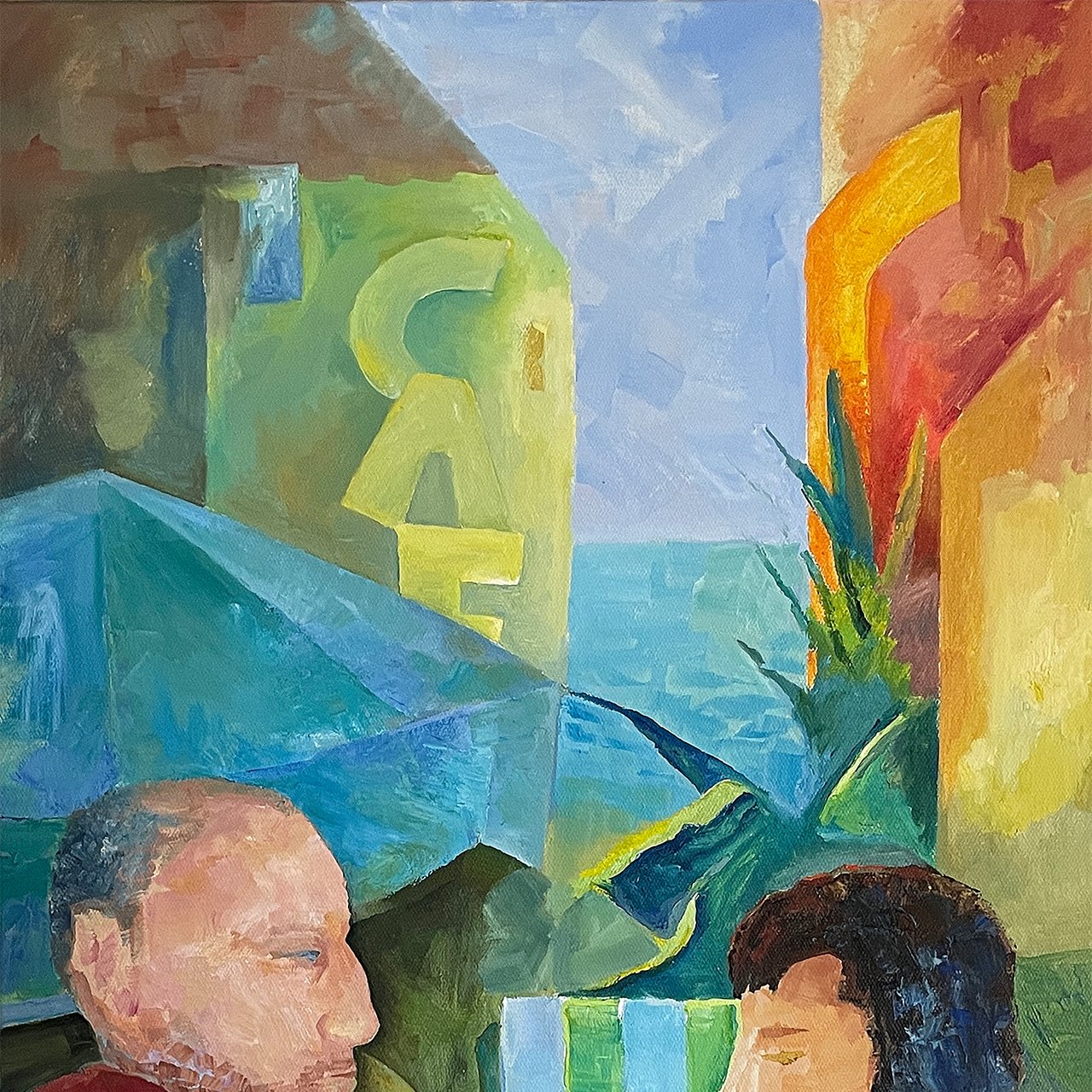
Art fragment 1

Art fragment 1

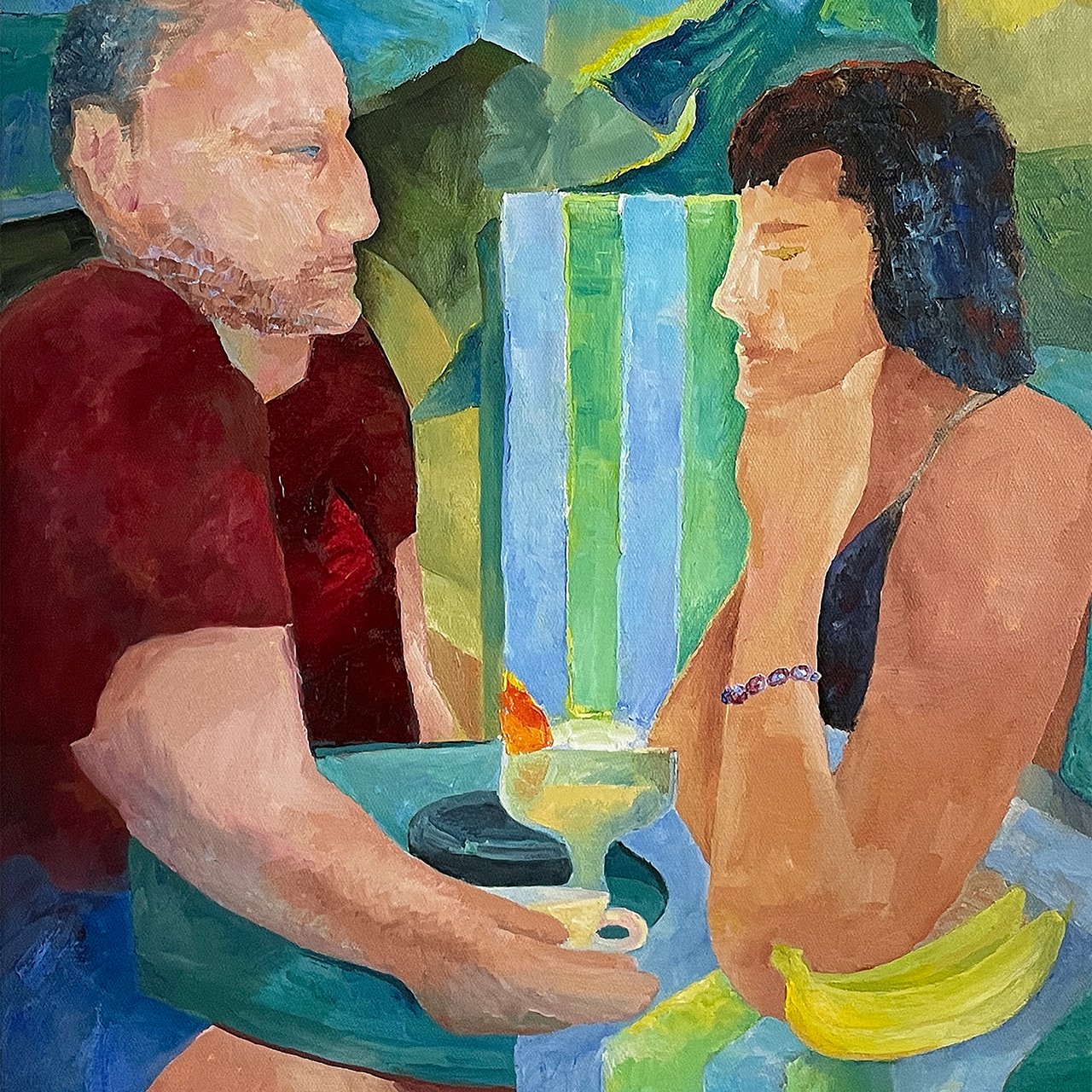
Art fragment 2

Art fragment 2

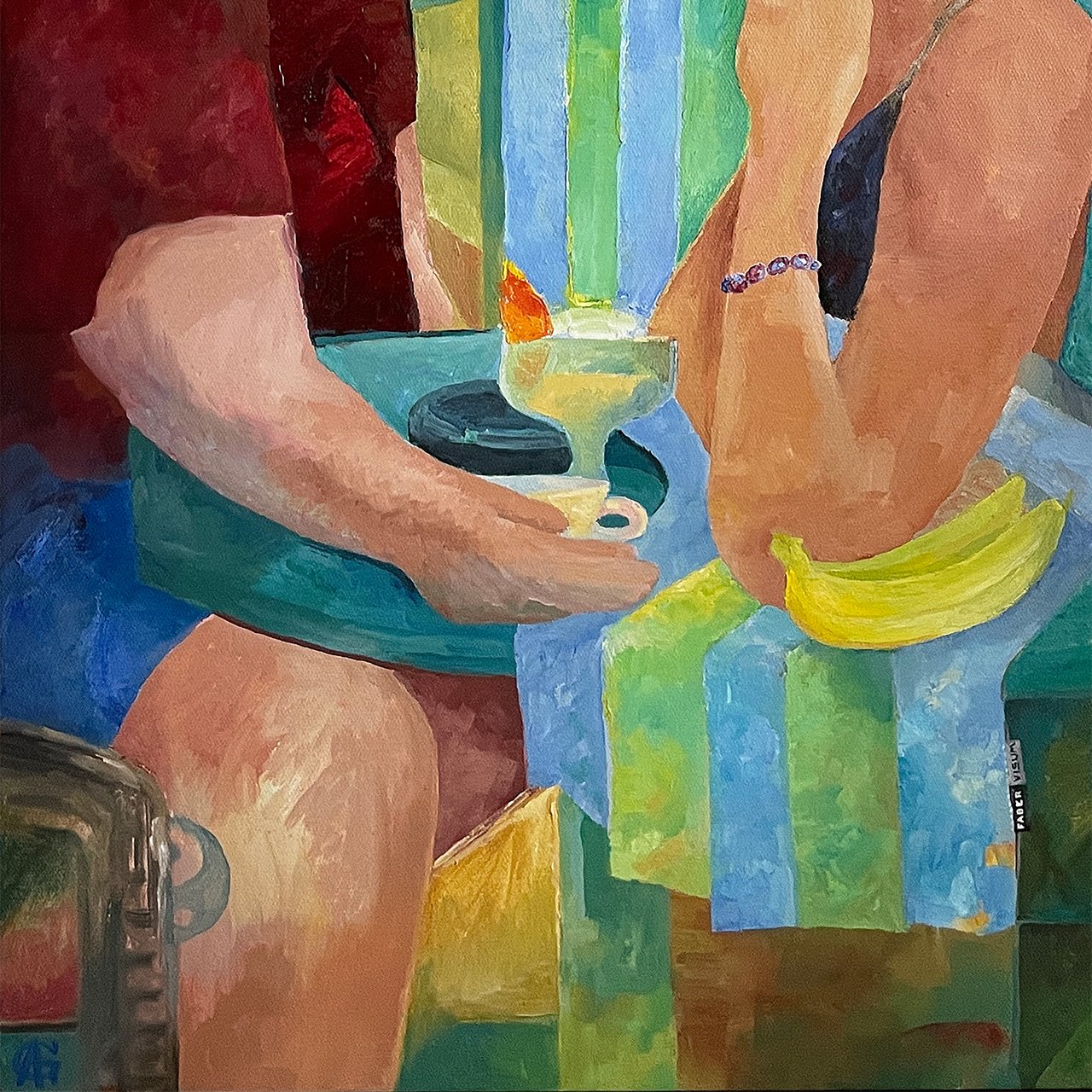
Art fragment 3

Art fragment 3

Art fragment 4

Art fragment 4

Imaginative thinking is a non-linear processing of meaning. Linear thinking: 1 → 2 → 3 → conclusion. Imaginative thinking: you see the structure immediately, the whole form at once — and only afterwards, if needed, you unfold it into words. It’s like seeing not separate points, but the entire figure. Not the notes — but the music. Not the words — but the meaning. This is cluster understanding, which is more efficient because the processing time drops to an instant.

When you “understand everything at once”, what actually happens? Not individual neurons activate, but associative networks linking emotions, memories, experience, images, patterns, intentions, contexts — giving a fast, coherent, integral response.

Imaginative thinking resembles parallel computing — but emotional, figurative, non-linear, multidimensional. Such thinking cannot be reduced to a formula — it is truly “volumetric”. The emotional sphere is crucial here. Developed emotionality is not weakness or “sensitivity”. It is an expanded sensory layer of consciousness. People with rich emotional perception gain access to information that logic alone cannot process.

Why is imaginative understanding “something new”?

Because humanity has spent thousands of years developing logic, sequence, analysis, and structured knowledge — but has hardly developed synthesis, imagery, multidimensionality, emotional analytics. Imaginative thinking is the next step that had to appear naturally. It is no longer a tool of survival. It is a tool for understanding complex systems and reality as a whole.

And yes — it is very rare. This is not mysticism. This is a genuinely different cognitive architecture, a form of thinking that can expand knowledge not linearly but in leaps, can see causal connections without analysis, can work with multidimensional structures of meaning, can operate faster than conscious thought. It is not “intuition”. It is the beginning of nonlinear intelligence, where painting can act as a trigger.

In this mode, knowledge is not something acquired — but something revealed. It is present because you are present. How does it work? Deep empathy, creative insight, certain meditative states, and what is sometimes called “synchronous” understanding. But the core is this: you do not “add” knowledge — you remove the noise, and the structure that was already there emerges. It is not about “learning”. It is about “not interfering”.


The experience of merging with the object

People often describe an empathic merging experience like “I was that person from the inside”. This is not mysticism but a form of deep cognitive simulation. It is a strong state, found among artists, writers, people with high empathic plasticity, and those who observe their inner states attentively. It is not a “loss of self” nor mystical union, but a tuning of one’s consciousness to another’s internal model — so precise that it feels like “I see from within”.

If such a state arises spontaneously, it becomes a marker: “This mode exists.” It is valuable, because after the first experience, the path is no longer into the unknown. The first time is an accident. The second — repetition. The third — a skill. And then a methodology appears, even if not verbal: adjusting attention, releasing control, entering the imaginative mode, waiting for the holistic emergence of meaning. It resembles an inner switch: “analyst” → “contemplator”.

The key is not to lose contact with reality, not to fall into mysticism or conspiracy thinking. This means holding two modes simultaneously: everyday rational consciousness and the imaginative-intuitive nonlinear mode. That is already a high level of inner integration. When we “learn” — we build structure from above. When we “stop interfering” — the structure reveals itself.

History of the Canvas.

Half a heart in a glass In the summer of 2021, a linen canvas with a non-standard frame size was ordered with the idea of ​​painting a simple, abstract, geometric composition of three colors. The canvas remained untouched, as if something was preventing work from beginning on it. A year later, following his father's will to Montenegro, the artist, not understanding why, took the canvas with him.

On a sunny Montenegrin day, as if by fate, Nenad appeared on the road. Nenad and Milena became the godparents of the artist's son, a part of life, and family forever. And the canvas found its correct image with the title "Half a heart in a glass" and, of course, was given as a gift.

Impression of the Painting.

The painting was done in one breath, unhurriedly, over several weeks. As if the artist knew it in advance and pulled paints and shapes from the future. It was painted with immense brotherly love for Nenad and Milena as a testament for it to remain forever - half of Nenad's heart in a glass for Milena.

Reflections on painting and its result once again confirmed the artist's belief that invisible emotion is inserted into the canvas, into music, literature, or a movie frame, continuing to live. The experience of exploring this phenomenon, the transfer of emotion outward and its sealing, is priceless. Perhaps this ability is the only justification for the human race on this planet.

Ownership:

The only original of the painting "Half a heart in a glass" is owned by Nenad and his wife Milena.

Signature:

The painting is signed by the artist on the back with a dedication inscription and on the front with the family logo.

Conclusion:

The phenomenon of sealing emotion in painting, not conditioned by cause-and-effect relationships, is priceless and possibly not subject to entropy.

(
97
votes, average
4.98
out of 5)