Why is watercolor the most difficult painting technique?

Author Gostev Jr. Back


Creating with Watercolors requires a certain level of skill and finesse. Some corrections are nearly impossible when working with watercolor, but pastel can help to adjust and refine the work.

- Gostev Jr.


Reflections Through Color and the Shape of Water

Working with watercolor can be a great starting point for expressing thoughts through color and the shape of water. Just look at children—they draw circles, lines, their mom and dad without concern for recognition or technical quality. Translate an image or emotion onto paper, and you create a unique, one-of-a-kind painting — a visual interpretation of your inner thought or feeling.

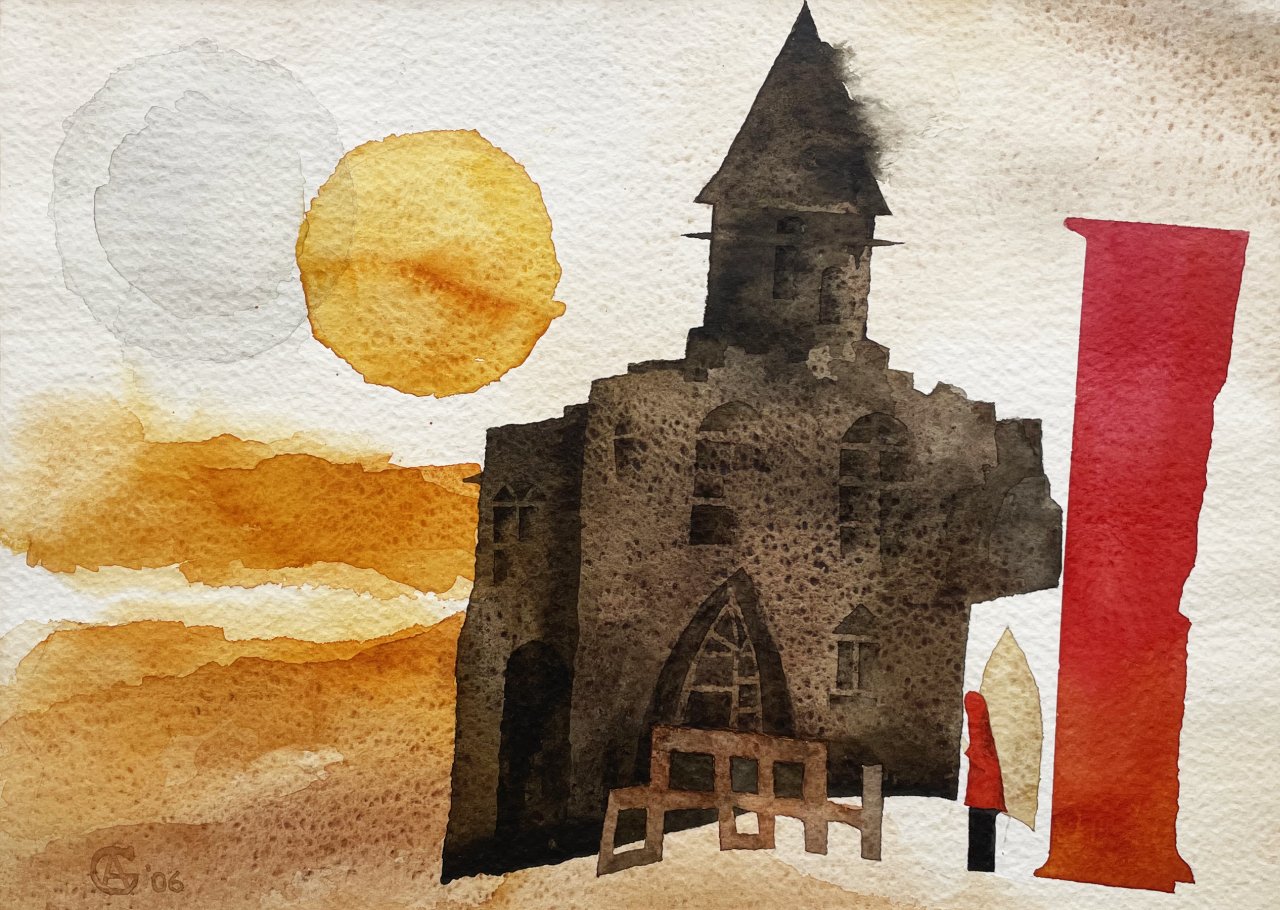
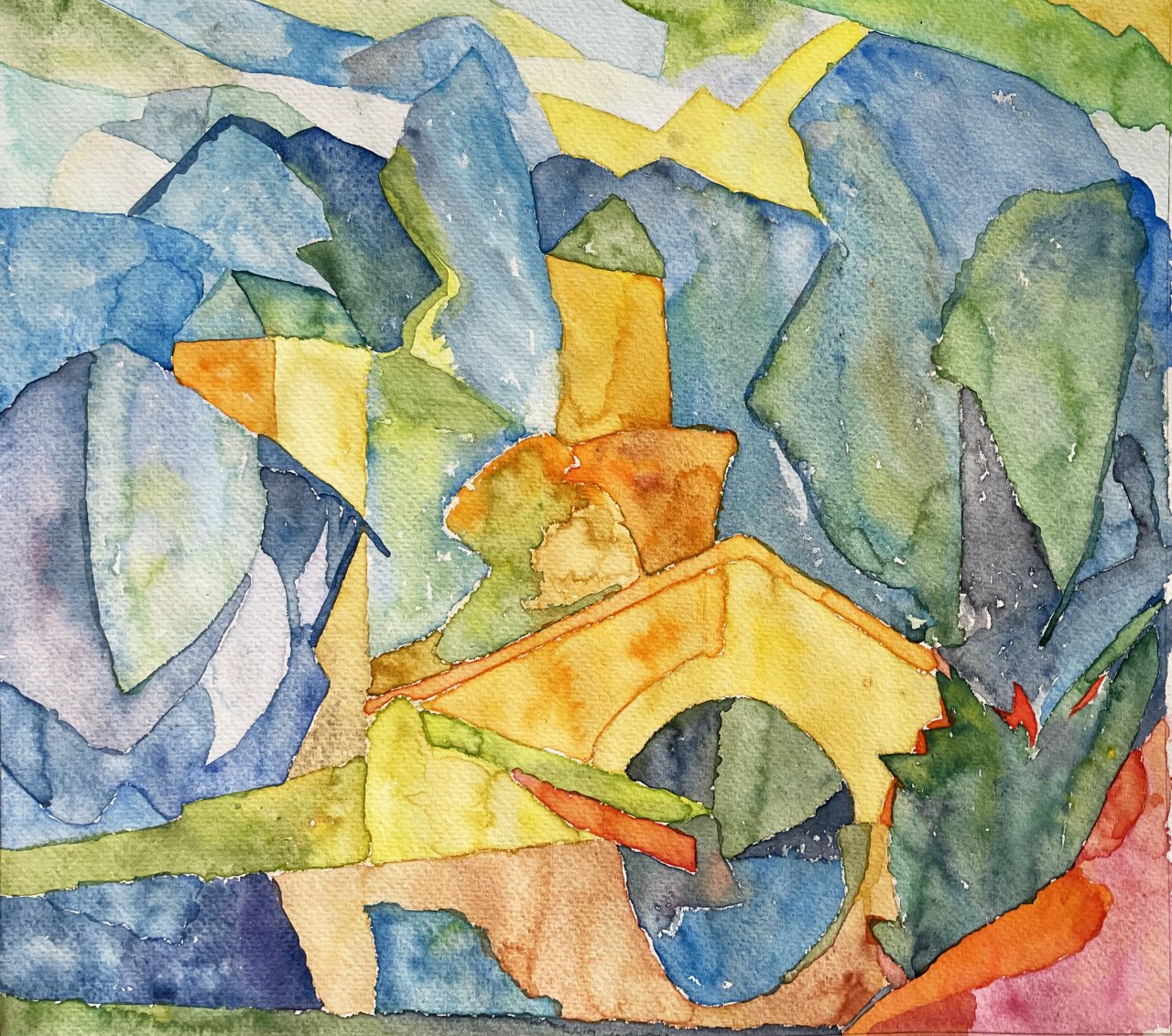
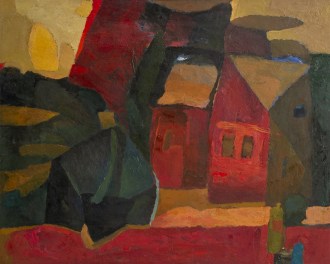
Old Church

Old Church

Paper, Watercolor
Height 40 cm, Width 56 cm
Anatoli Gostev Jr. | 2006

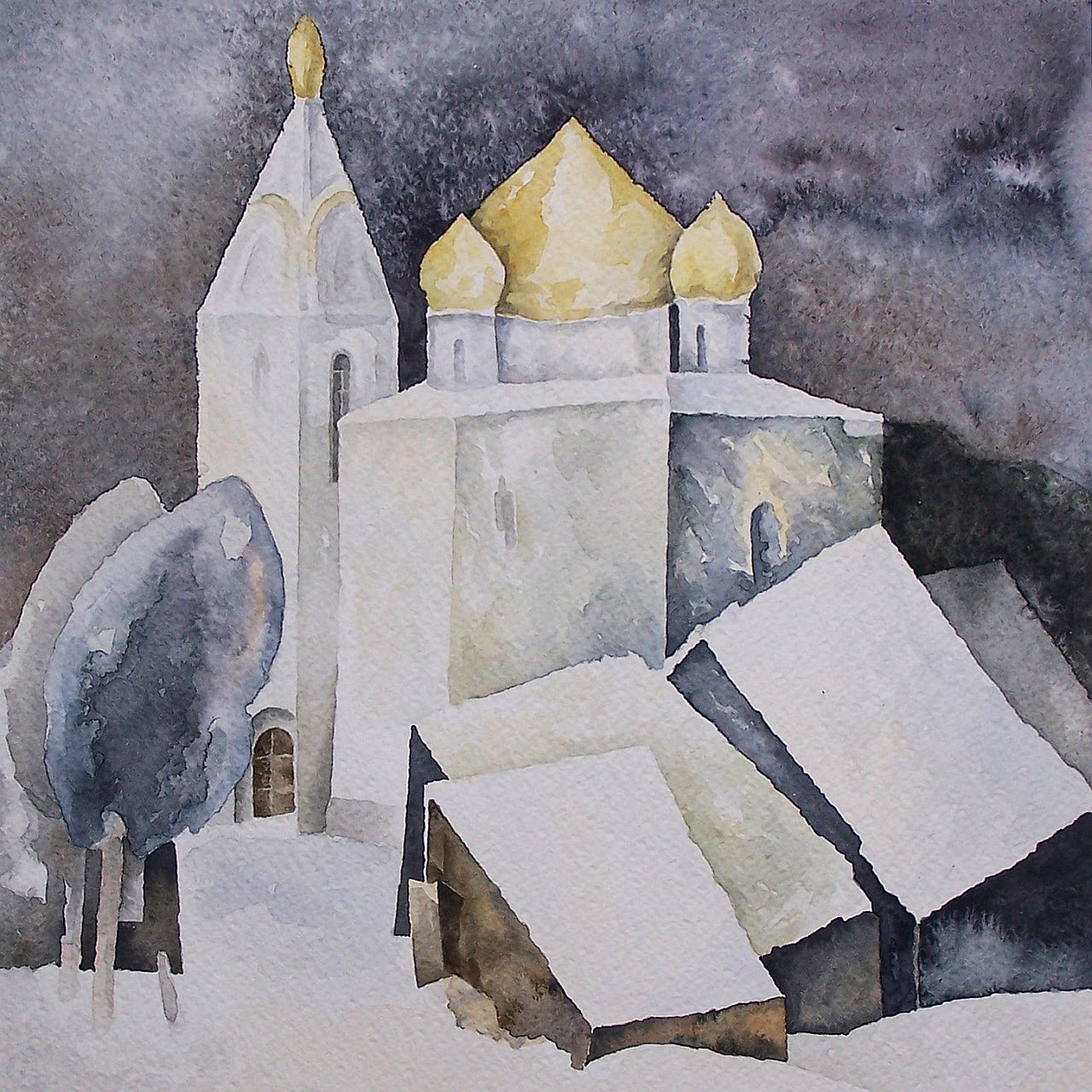
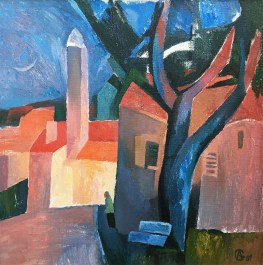
Dorfkirche

Dorfkirche

Paper, Watercolor
Height 40 cm, Width 40 cm
Anatoli Gostev | 2000

Park

Park

Paper, Watercolor
Height 40 cm, Width 44 cm
Liliana Gostev | 2023

Winter Road

Winter Road

Paper, Watercolor
Height 35 cm, Width 43 cm
Anatoli Gostev | 2002

The Wall

The Wall

Paper, Watercolor
Height 56 cm, Width 40 cm
Anatoli Gostev Jr. | 2006

Musiciants

Musiciants

Paper, Watercolor
Height 25 cm, Width 25 cm
Anatoli Gostev Jr. | 2006

Razanji

Razanji

Paper, Watercolor
Height 40 cm, Width 56 cm
Anatoli Gostev Jr. | 2015

Eva

Eva

Paper, Watercolor
Height 40 cm, Width 56 cm
Anatoli Gostev Jr. | 2015

Ghost Again

Ghost Again

Paper, Watercolor
Height 40 cm, Width 56 cm
Anatoli Gostev | 1999

Landscape with an angel

Landscape with an angel

Paper, Watercolor
Height 44 cm, Width 50 cm
Anatoli Gostev | 2009

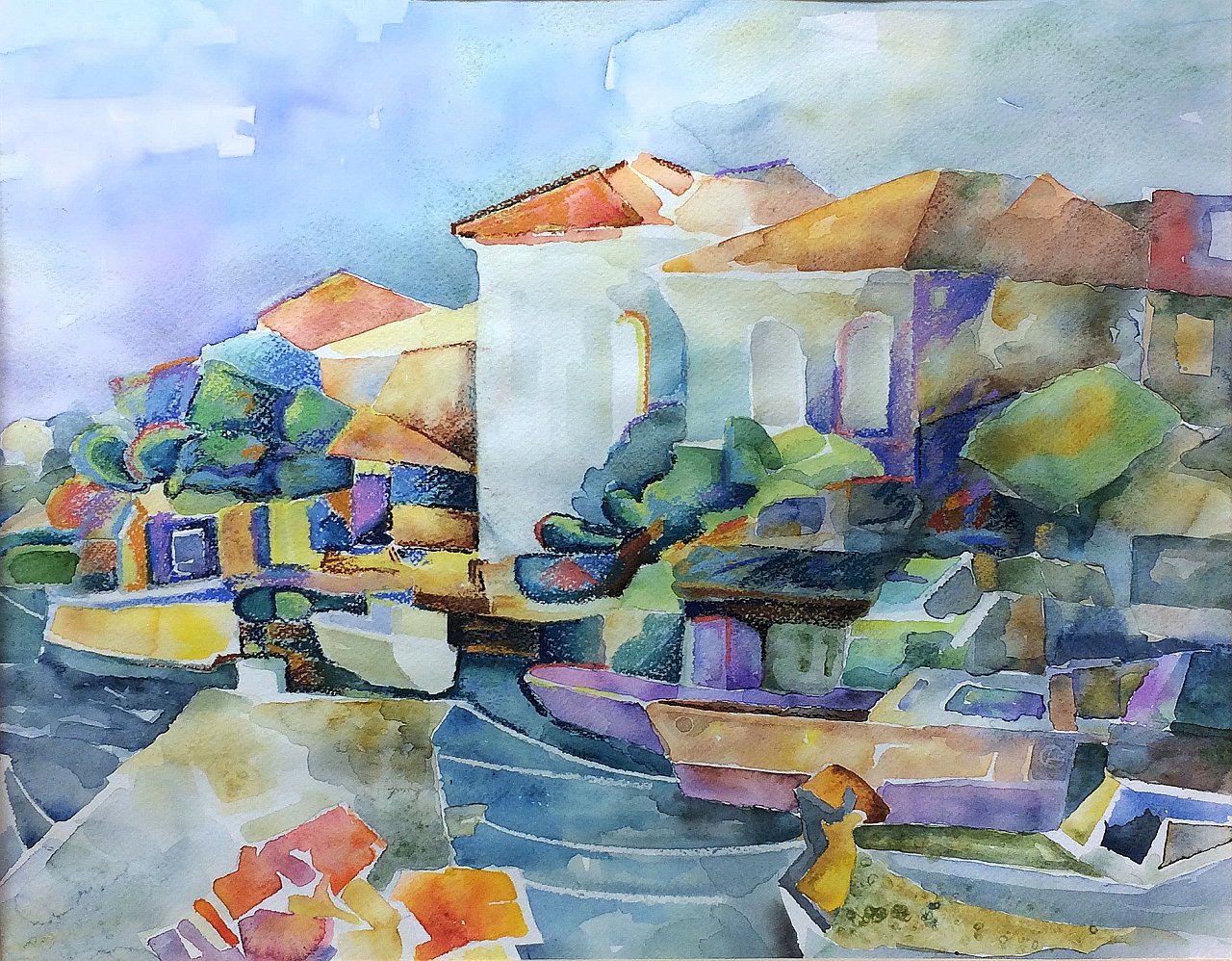
Houses

Houses

Paper, Watercolor
Height 35 cm, Width 40 cm
Anatoli Gostev | 2000

Self portrait

Self portrait

Paper, Watercolor
Height 60 cm, Width 40 cm
Anatoli Gostev | 1980

Water Infused with Thought

The key advantage of watercolor lies in its transparency and lightness. The fluid nature of watercolor paint allows the artist to create rich, vibrant hues and delicate transitions. But the true essence goes deeper. A watercolor painting absorbs the artist’s emotions — the old church whispers the prayer of a lonely woman, and it holds a story. A wall conveys the majestic chill of Catholic dogma. The musicians echo the harmony of friendship. The park — simply a sketch of a wife. And Eve — a boy’s first love at the age of seven.

Play Video
Watercolor Old Church – about the tragic story of a Yugoslavian family in the Czech Republic.

No digital photo, let alone an AI neural network, will ever bring back even a single genuine emotion to the viewer — all of it is just a modern exercise around EMPTINESS. The world is made of more than numbers.

Watercolor painting also requires a certain degree of skill and dexterity. Managing water and pigment, creating texture and wet-on-wet effects, and controlling brightness and transparency — these are skills the artist develops over time. But don't focus on the result right away. All you need is the desire, water, and paint — everything else will come naturally.

Watercolor Painting Materials

In practice, watercolor paint diluted with water is applied to special paper. Watercolor paper has unique properties related to even water absorption and drying time. For high-quality results, a solid foundation is essential — good paper and paints. The watercolors you see in this collection were created using paper priced from $20 to $150 per sheet: Magnani 1404, Canson XL, Arches, Fabriano, along with paints from brands like Van Gogh, Neva, Rembrandt, Kuretake Gansai Tambi.

Mixed Media Techniques — Watercolor with Pastel

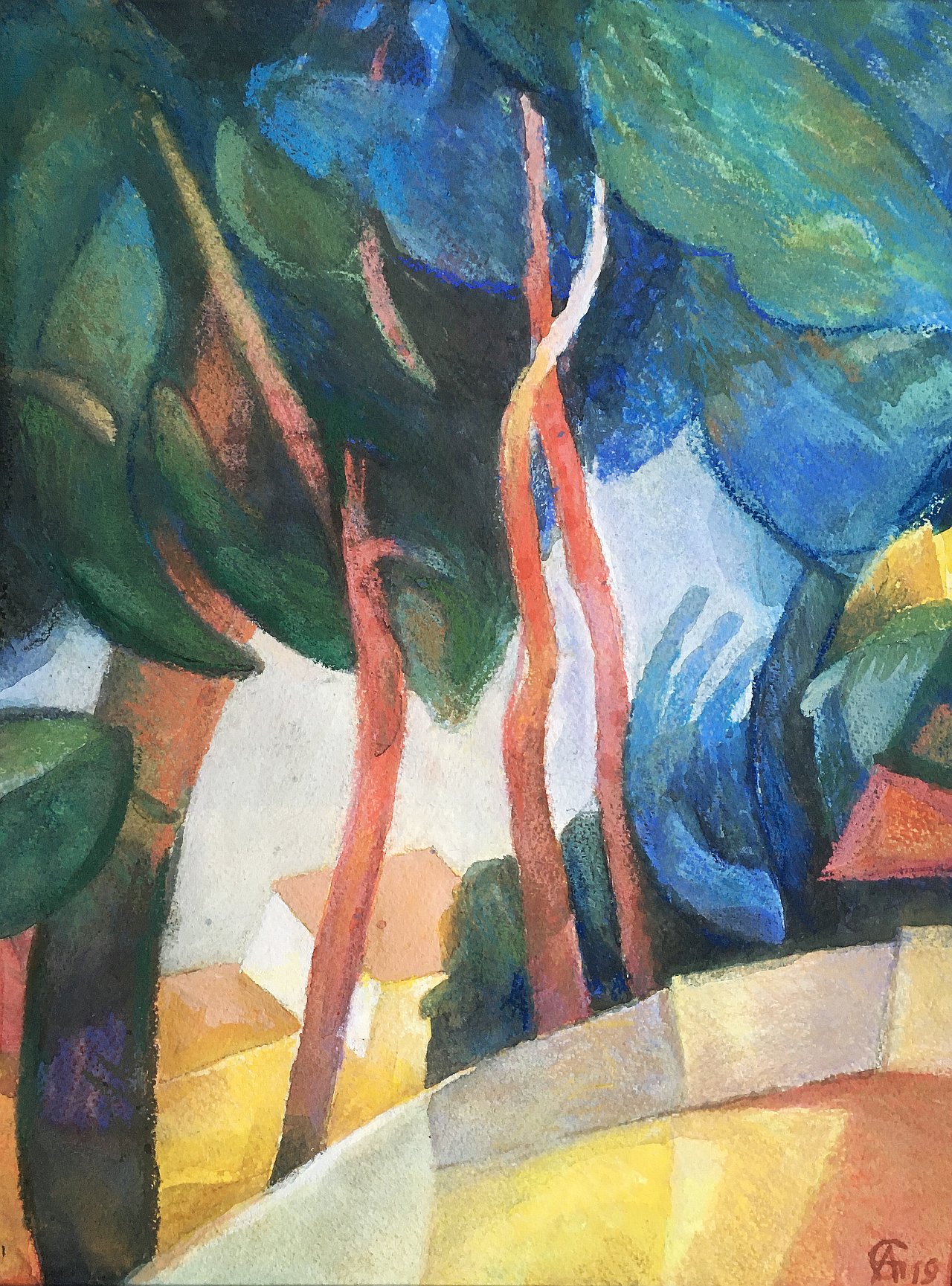
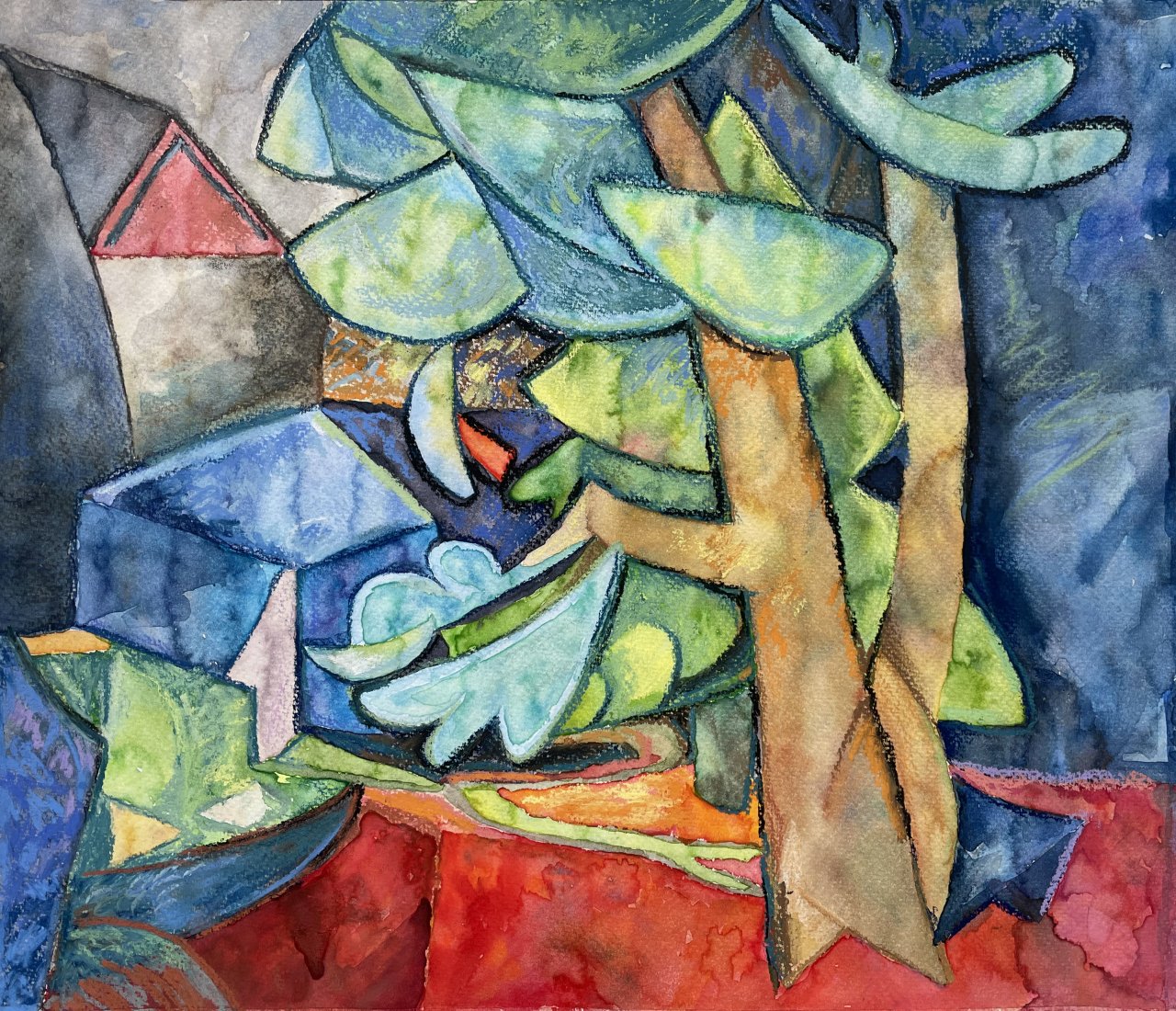
Watercolor invites experimentation with various techniques and materials. Since it is one of the most demanding mediums — where corrections are barely allowed — precision and speed are crucial. Minor errors can ruin the entire impression. That’s where the combination of watercolor and pastel comes in, creating a new, unique style. Unlike watercolor, pastel gives the artist TIME — though at the expense of watercolor’s delicate transparency. What should you do? Keep the beautiful watercolor flows, and refine areas that didn’t turn out using pastel, or enhance where needed. Below are examples of watercolor and pastel combinations.

Rovinji

Rovinji

Paper, Watercolor, Pastel
Height 60 cm, Width 45 cm
Anatoli Gostev | 2019

Pine

Pine

Paper, Watercolor, Pastel
Height 40 cm, Width 46 cm
Liliana Gostev | 2023

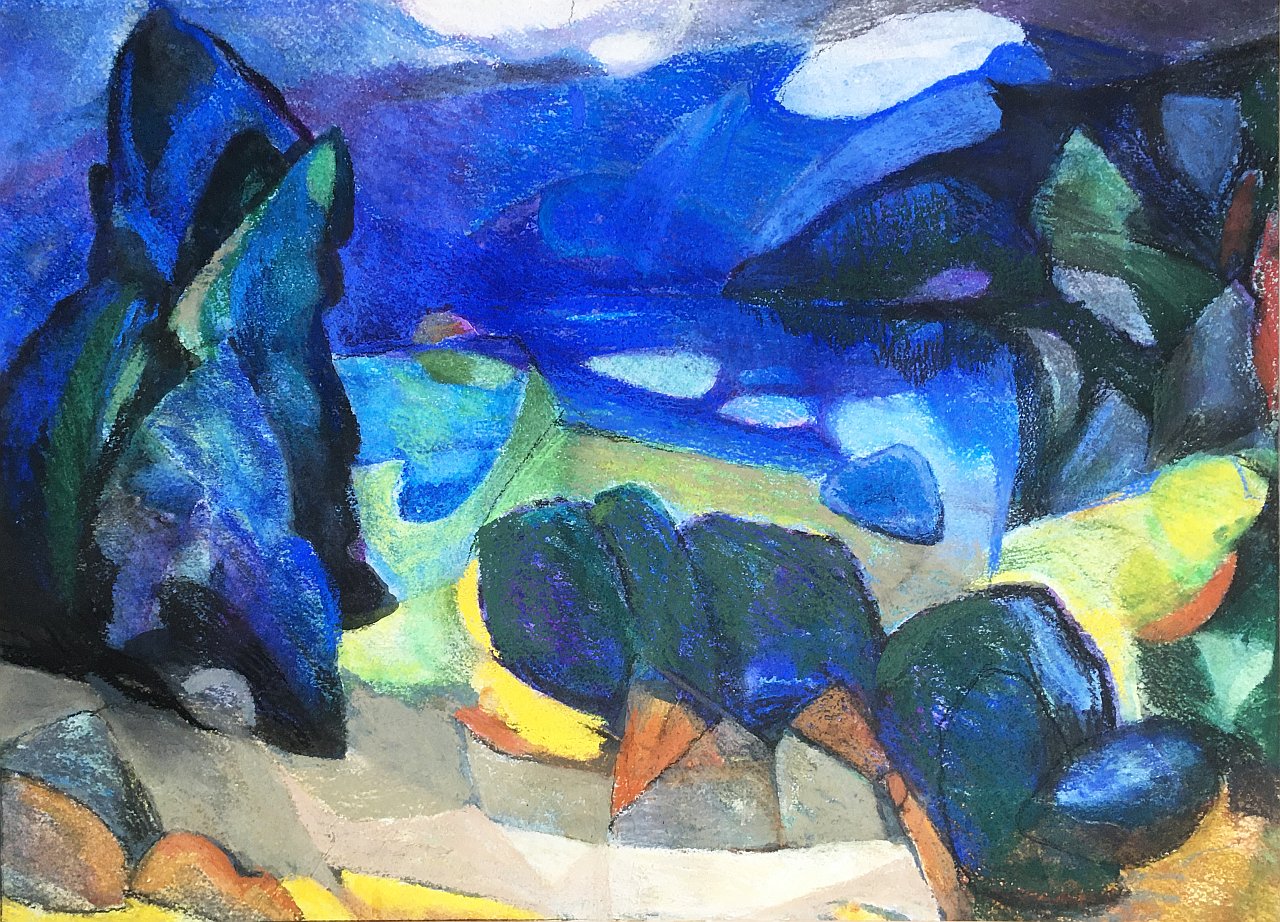
Paklenica

Paklenica

Paper, Watercolor, Pastel
Height 40 cm, Width 55 cm
Anatoli Gostev Jr. | 2015

Lake

Lake

Paper, Watercolor, Pastel
Height 54 cm, Width 75 cm
Anatoli Gostev | 2021

Houses Group

Houses Group

Paper, Watercolor, Pastel
Height 43 cm, Width 52 cm
Anatoli Gostev | 2007

Night Violinist

Night Violinist

Paper, Watercolor, Pastel
Height 41 cm, Width 47 cm
Anatoli Gostev | 2011

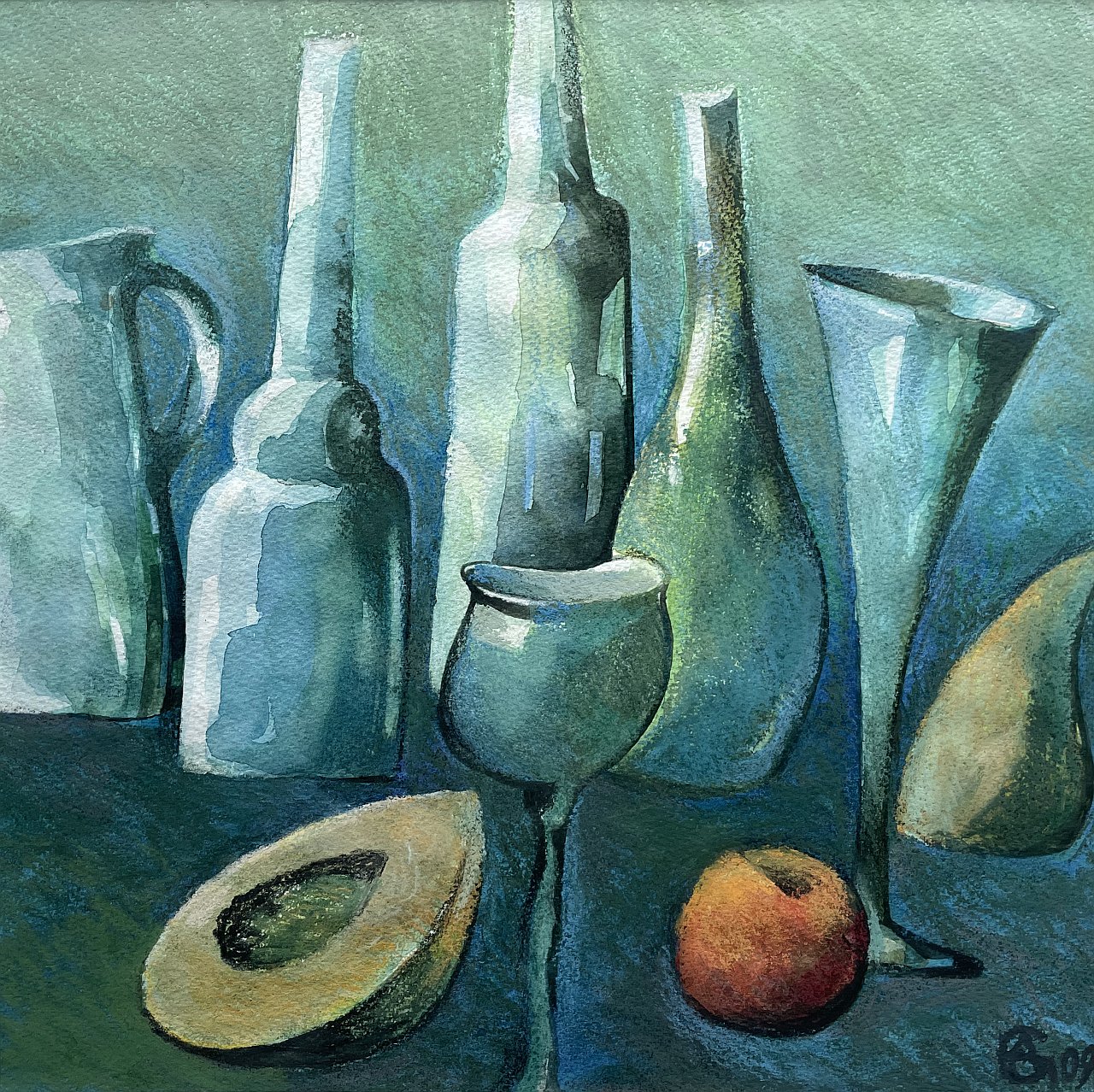
Still Life by Freud

Still Life by Freud

Paper, Watercolor, Pastel
Height 30 cm, Width 30 cm
Anatoli Gostev | 2009

Cafe

Cafe

Paper, Watercolor, Pastel
Height 35 cm, Width 26 cm
Anatoli Gostev | 2021

Landscape

Landscape

Paper, Watercolor, Pastel
Height 40 cm, Width 55 cm
Anatoli Gostev | 2021

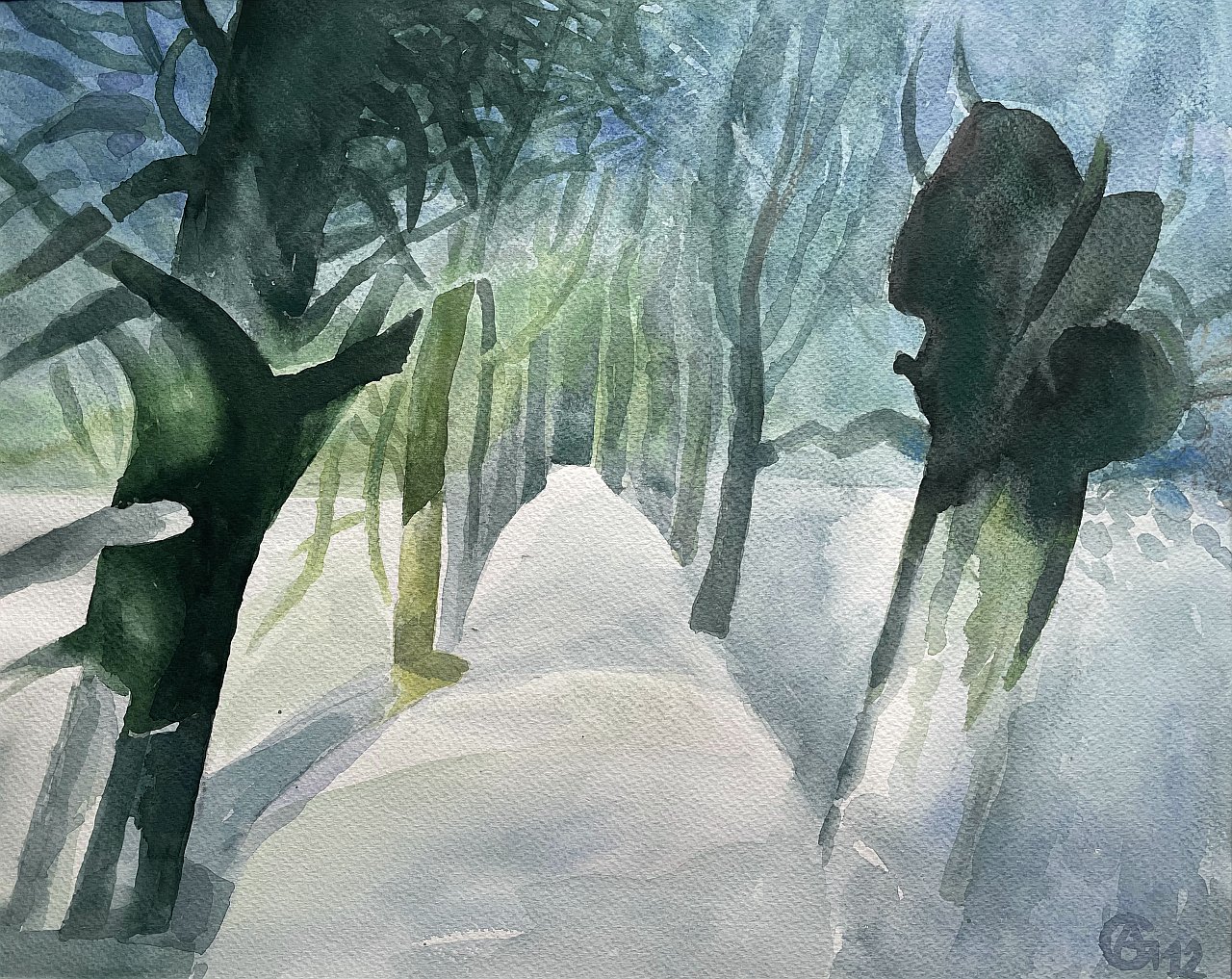
Trees of Croatia

Trees of Croatia

Paper, Watercolor, Pastel
Height 60 cm, Width 45 cm
Anatoli Gostev | 2012

Angel and Cat

Angel and Cat

Paper, Watercolor, Pastel
Height 30 cm, Width 30 cm
Anatoli Gostev | 2019

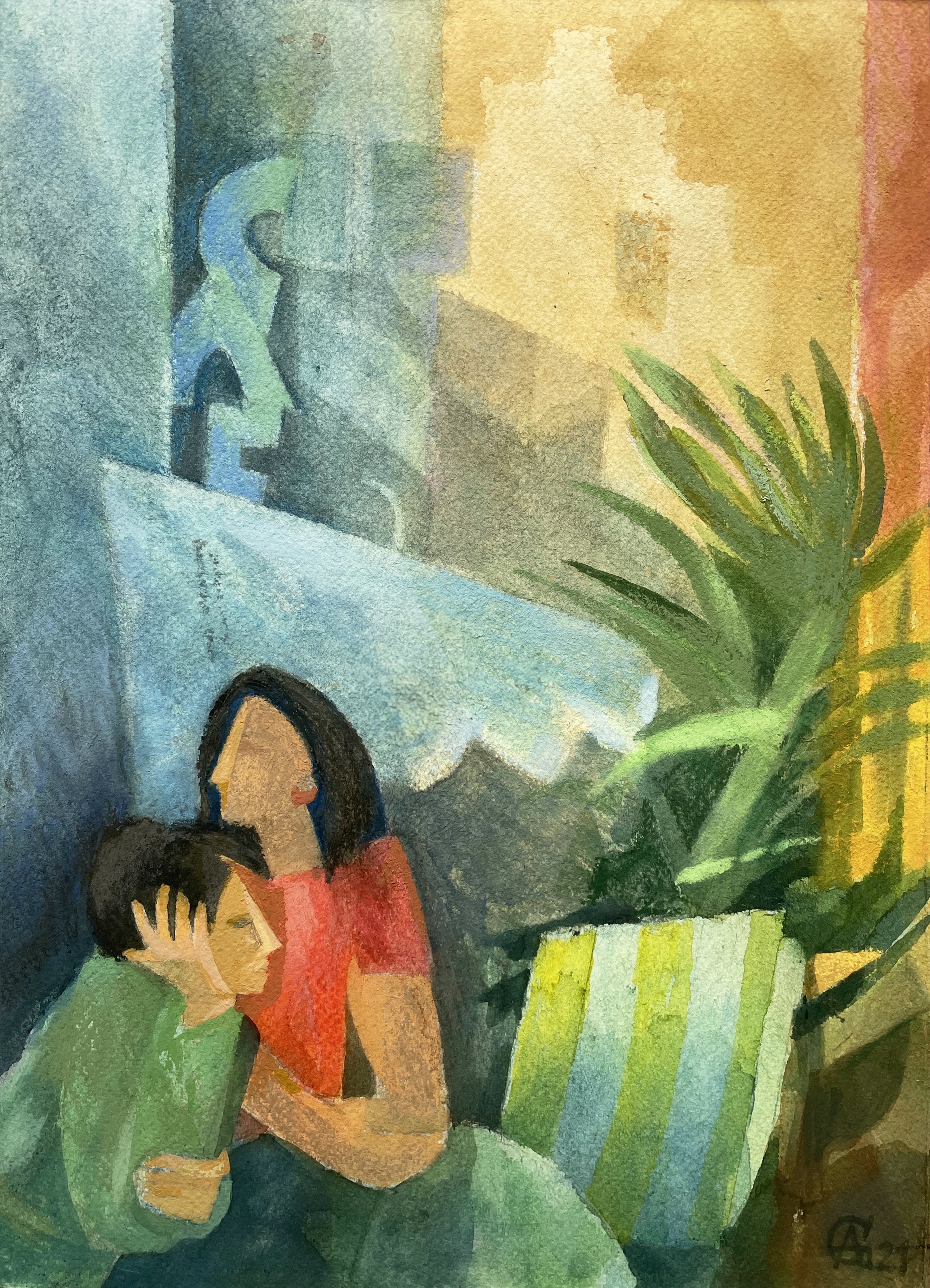
Meeting

Meeting

Paper, Watercolor, Pastel
Height 20 cm, Width 30 cm
Anatoli Gostev | 2021

Some Tips for Working with Watercolor:

  • Don’t build overly complex compositions and avoid excessive detail — that’s what cameras are for.
  • Don’t be afraid — first clearly envision what you want to create, choose your colors and area, and paint with speed and fluidity.
  • Start light — preserve the white of the paper where the lightest parts of your image will be. You can always darken later, but not the reverse.
  • Don’t overwork the piece — going back repeatedly usually makes it worse. Let the paint flow — without corrections.
  • Try not to mix more than two colors — otherwise, it might turn muddy.
  • If something turns out poorly, use pastel to adjust and refine. Still doesn’t work? Use it as a sketch and start again with a new version.
  • Don’t focus on photorealism — think about pouring emotion into your watercolor and about its beauty. That’s your best chance of creating something remarkable.
Play Video
I see color. That's what the artist thought

An Example of a Watercolor Masterpiece

In 1995, Anatoli Gostev wet a sheet of watercolor paper, preparing it for a new painting, then glanced at the clock. The nearby store was closing in 20 minutes — he needed groceries. Working quickly, he couldn’t have known that his watercolor "Seeufer" (25 x 28 cm), completed in a rush in just 15 minutes, would be sold in Germany five minutes after the gallery opened — for 3,000 Deutsche Marks. Today, that’s equivalent to 30,000 euros.

Anatoli Gostev - Seeufer

Anatoli Gostev – Seeufer

1995 Watercolor 25 × 28 cm

(
92
votes, average
4.96
out of 5)